How to get from Lisbon to the Algarve
The Algarve is known for its golden beaches, gorgeous towns, and a huge variety of amazing seafood. It is one of Portugal’s top destinations.
If you’re in Lisbon and want to travel to the Algarve, there are several options: plane, car, train, or bus.
Let’s go over each one so you can choose the best way to get from Lisbon to the Algarve.
1. Flying from Lisbon to Algarve
TRAVEL TIME
1 hour & 10 minutes, if you include waiting times and time until the airport (3-4 hours)
RATES
€30 to €189 / $32 to $205 / £25 to £158
PROS
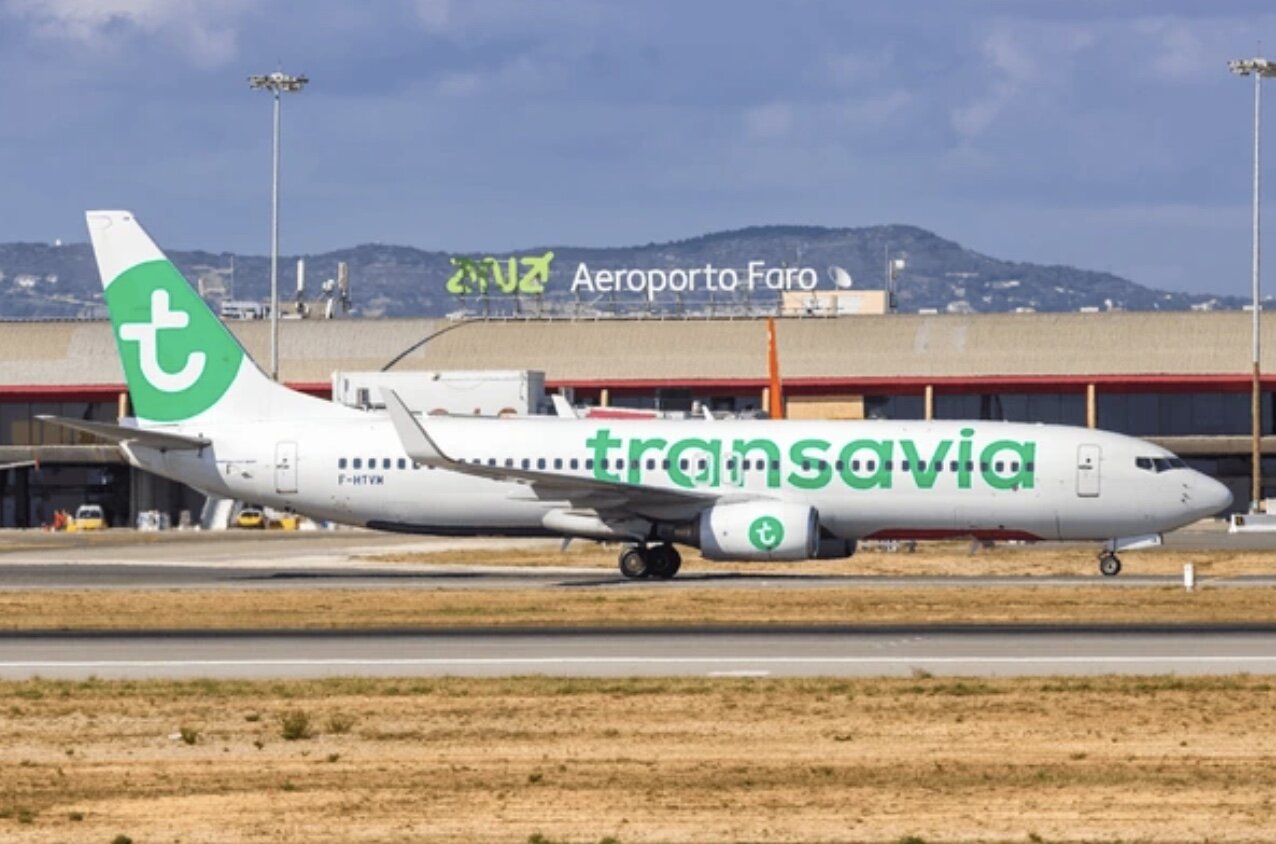
Flying is the fastest way to get from Porto to the Algarve (landing at Faro Airport).
With only one airport in Porto (Francisco Sá Carneiro Airport) and one in Faro, you don’t have to worry about figuring out multiple routes or schedules.
Simply arrive on time with your luggage, and you’re good to go.
CONS
Flying can become marginally more expensive when you factor in luggage fees, which can quickly ramp up. If you’re traveling with family, managing luggage can also become stressful and a hassle.
Plus, there’s the added inconvenience of airport security, and, this is a big one, you miss out on the beautiful Portuguese landscape that you’d otherwise enjoy with car or train.
2. Rental car: the most flexible option
TRAVEL TIME
5 hours & 11 minutes
RATES
€265 to €590 / $288 to $641 / £223 to £496
PROS
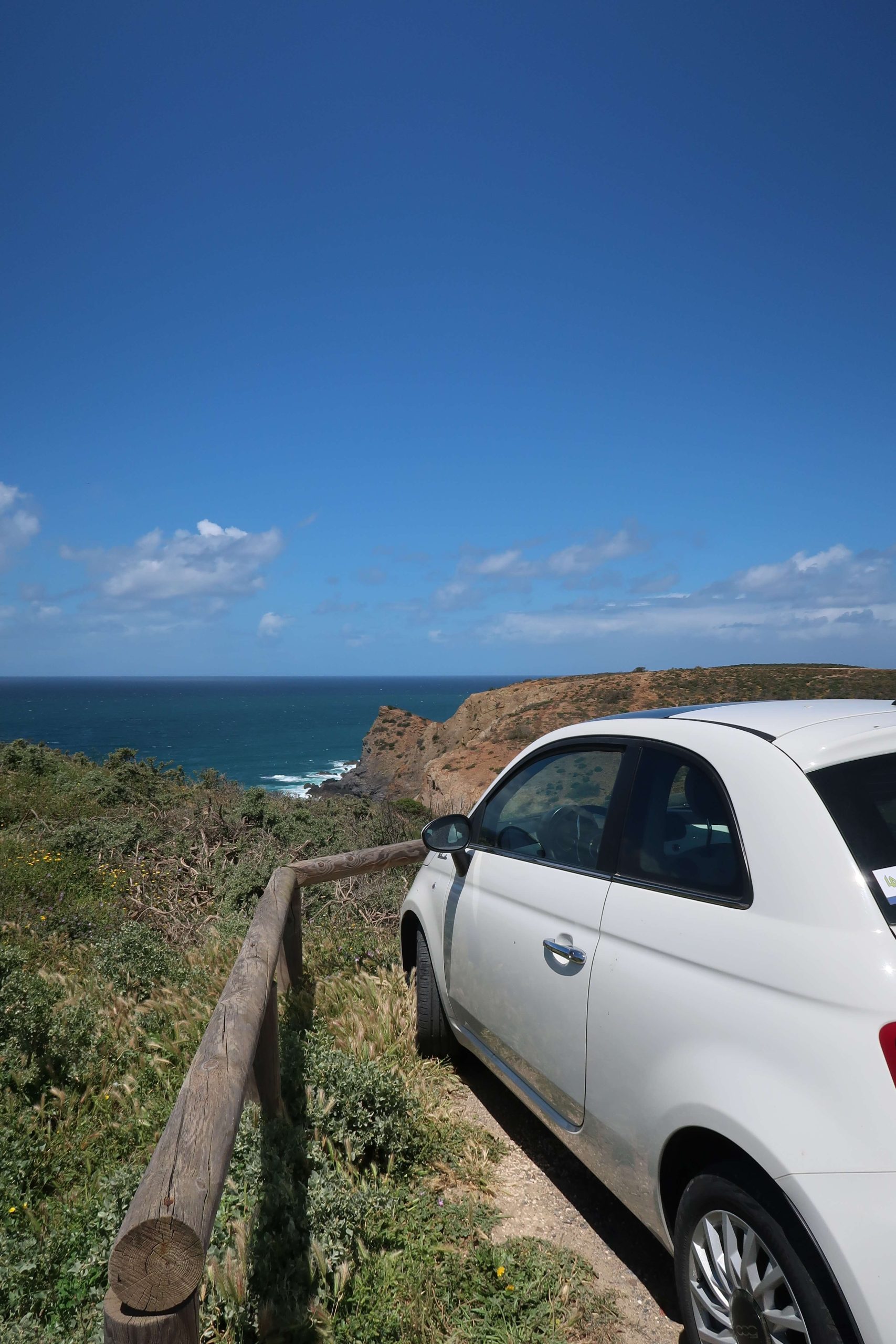
Renting a car in Portugal is a great option to travel from Porto to the Algarve. There are several rental car companies you can choose from. All you need is a valid driver’s license and a bit of confidence driving on foreign roads. Simply pick up the car and get on your way to Algarve.
Traveling by car allows you to travel at your own pace, make as many stops as you want, and explore places of interest along the way.
CONS
The expressways are subject to tolls, which can be surprisingly expensive (e.g., €48.75).
Navigating toll payments can be tricky for foreign drivers, as there’s a risk of fines if payments aren’t made correctly.
But here’s the thing. Most rental companies recommend Via Verde which is an electronic toll collection system used in Portugal.
When renting a car, we highly recommend that you ask for a Via Verde device. It’s linked directly to your VISA or rental agreement, and it automatically deduct toll fees as you drive. This removes the hassle of manual payments and fines.
Did you know?
Did you know the Algarve boasts over 300 days of sunshine per year, making it one of Europe’s sunniest destinations?
3. Train: a comfortable and scenic journey
TRAVEL TIME
5 hours & 38 minutes
RATES
€65 / $70 / £55
PROS
Trains like the Alfa Pendular are a great choice, as they’re direct, luxurious, and spacious. The direct service means you can travel from Porto to Faro in one go without worrying about transfers (though transfer options are there if you need them).
You can book the tickets on the Omio website here.
Once you’re in Faro, you can easily take an Uber or taxi to your final town of accommodation. Plus, train schedules are usually fixed, so you’ll reach your destination on time.
CONS
Train tickets can be a bit pricey, especially for the direct Alfa Pendular services. The departure times for direct trains are also less convenient, like very early mornings or late evenings.
For more flexible timing, you’ll likely need to travel to Lisbon first and then catch another train to the Algarve.
The travel time is around 6 hours, and once you’re in the Algarve, regional trains tend to be slower, which can add to your overall travel time. Plus, express train seats are limited and can sell out fast, especially during peak season.
That’s not it. Even after arriving, you might still need to take a taxi or Uber to reach your accommodation in the Algarve.
Plus, there’s the added inconvenience of airport security, and, this is a big one, you miss out on the beautiful Portuguese landscape that you’d otherwise enjoy with car or train.
3. Bus: the cheapest option
Some portuguese words
Spring
Primavera
Winter
Inverno
Autumn
Outono
Summer
Verão

Hi , my name is Elisa!
I’m half Portuguese, half Belgian, and grew up in Carvoeiro. So, it’s safe to say, I know this area inside and out — its beautiful beaches, the best restaurants, the quaint little towns, and quiet spots.